
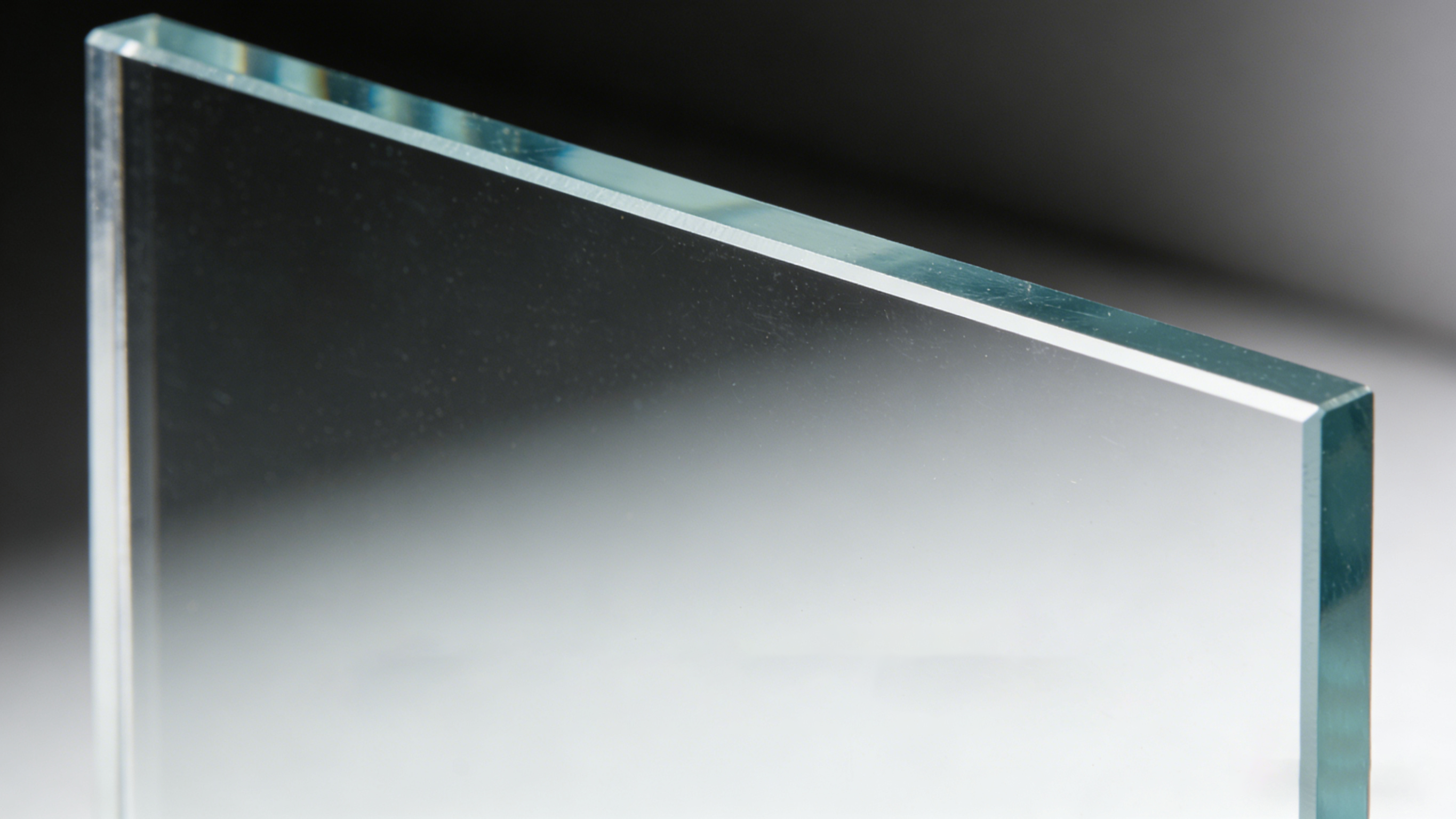
In modern architecture, fire-resistant glass, as a special building material, plays an increasingly important role. It not only possesses the transparency and aesthetics of ordinary glass, but more importantly, it can effectively control the spread of fire in the event of a fire, protecting lives and property.
I. Definition and Characteristics of Fire-resistant Glass
Fire-resistant glass, as the name suggests, is a special type of glass with fire-resistant properties. It undergoes special processing and treatment to maintain its integrity and heat insulation properties during specified fire resistance tests. The base glass for fire-resistant glass can be float glass, tempered glass, etc., which, after special treatment, acquire multiple functions such as fire resistance, heat insulation, and smoke isolation.
II. Classification and Grades of Fire-resistant Glass
Fire-resistant glass is classified in various ways, mainly including laminated composite fire-resistant glass, wired fire-resistant glass, special fire-resistant glass, insulated fire-resistant glass, and high-strength single-layer cesium potassium fire-resistant glass, etc. Fire-resistant glass is classified into five levels based on its fire resistance rating: 0.5h, 1.00h, 1.50h, 2.00h, and 3.00h. Class A fire-resistant glass meets both fire resistance integrity and fire insulation requirements; Class B fire-resistant glass meets both fire resistance integrity and heat radiation intensity requirements; and Class C fire-resistant glass only meets the fire resistance integrity requirement.
III. Working Principle of Fire-Resistant Glass
The working principle of fire-resistant glass mainly utilizes its special properties at high temperatures. When a fire occurs, the fire-resistant glass rapidly expands upon exposure to high temperatures, forming a dense fire-resistant layer that effectively blocks the transmission of flames and high temperatures. Simultaneously, fire-resistant glass can also prevent the spread of smoke and harmful gases, providing valuable time for escape and rescue.
IV. Application Scenarios of Fire-Resistant Glass
Fire-resistant glass is widely used in various types of buildings, such as curtain walls, fire doors, and fire windows in high-rise buildings. In locations such as the Audi Center, Geely Automobile production workshop offices, and the DoubleTree by Hilton Hotel, the application of fire-resistant glass partitions and observation windows not only enhances the safety and aesthetics of buildings but also creates a more comfortable and safer working and living environment.
V. Conclusion
As an important building material, fire-resistant glass's multiple functions, including fire resistance, heat insulation, and smoke isolation, make it an indispensable component of modern architecture. In future building design and construction, the application of fire-resistant glass will become more widespread and in-depth, providing a more solid guarantee for people's lives and property safety.
NAVIGATION
Send Us A Message
Please give us a message