
PRODUCTS
Product Parameters
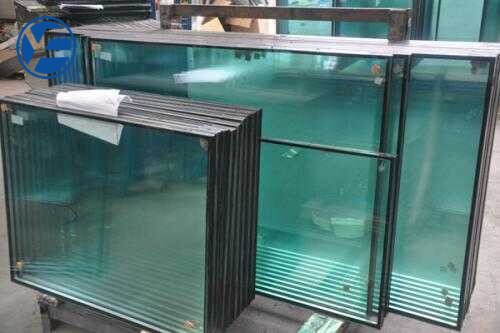
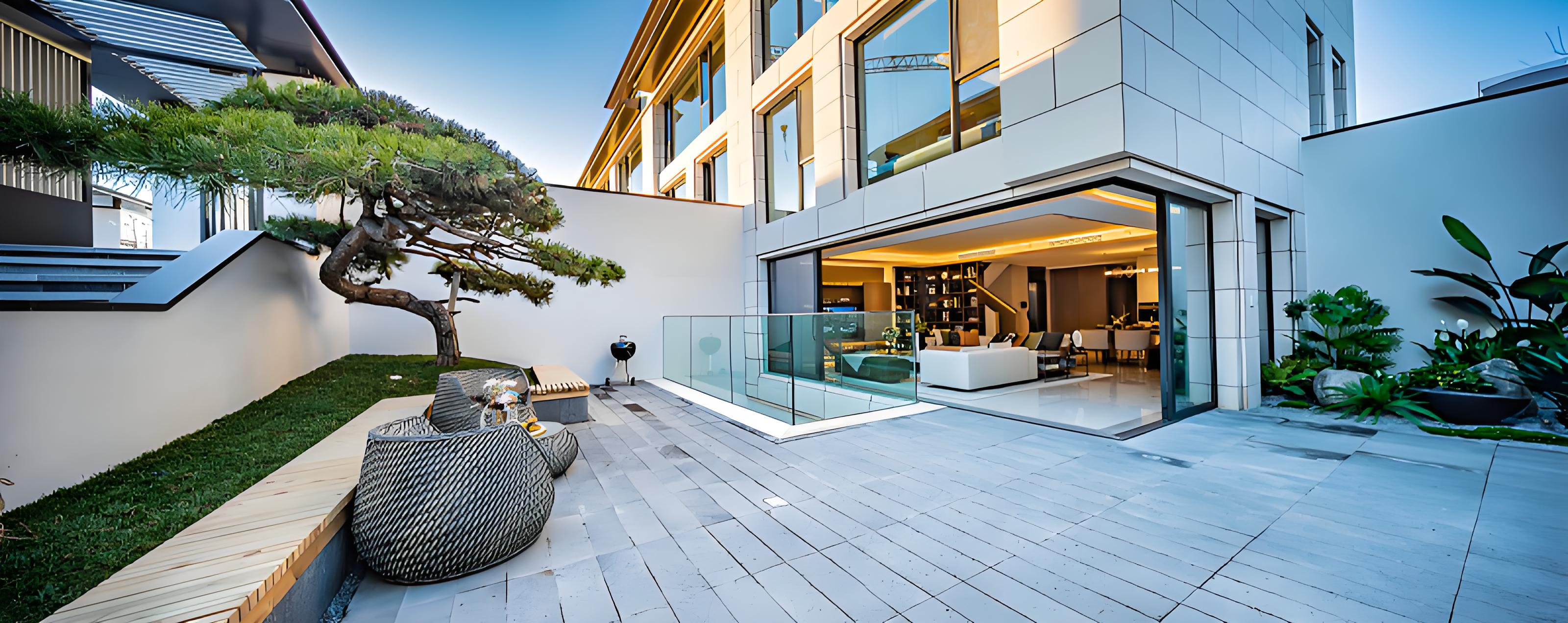
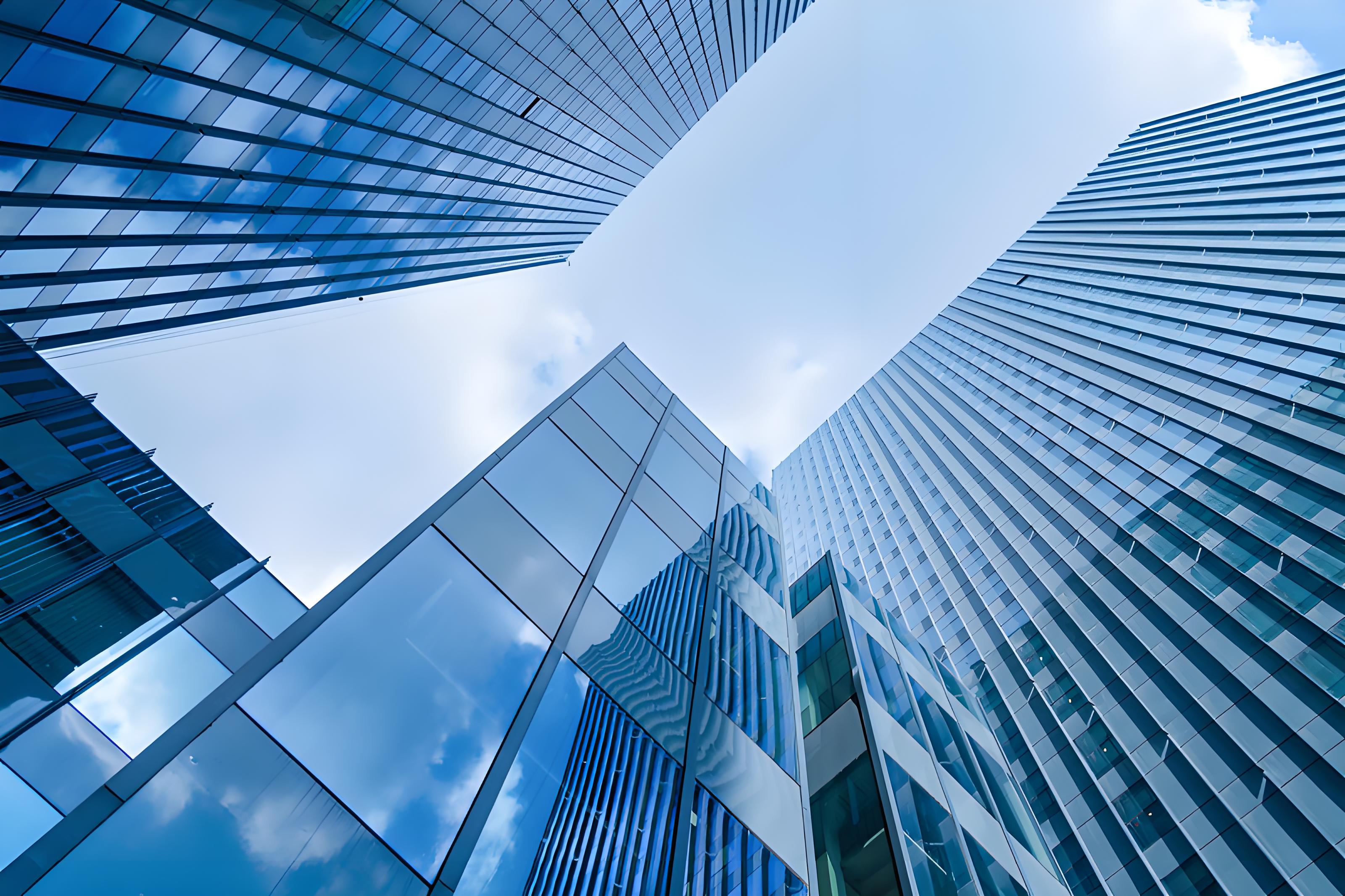
Glass is an important building material, and with the increasing demands for building aesthetics, its usage in the construction industry is constantly growing. However, when choosing glass doors and windows for buildings today, in addition to considering their aesthetics and appearance, people are paying more attention to issues such as heat control, cooling costs, and a comfortable balance of sunlight penetration. This makes Low-E glass, a newcomer in the coated glass family, stand out and become the focus of attention.
Excellent Optical Performance
Low-E energy-saving glass has high transmittance of visible light from sunlight, reaching over 80%, while its reflectance is very low, which greatly improves its optical performance compared to traditional coated glass. From the outside, the building appears more transparent and clear, ensuring good natural lighting while avoiding light pollution caused by light reflection from large glass curtain walls and double-glazed windows, creating a softer and more comfortable lighting environment.
Superior Thermal Performance
Heat loss from exterior windows and doors is a major component of building energy consumption, accounting for over 50%. Research indicates that heat transfer on the inner surface of glass is primarily radiation, accounting for 58%. This means that the most effective way to reduce heat loss by modifying glass properties is to suppress radiation from its inner surface. Ordinary float glass has an emissivity as high as 0.84; however, when coated with a silver-based low-emissivity film, its emissivity can be reduced to below 0.15. Therefore, using Low-E glass for building windows and doors can significantly reduce the transfer of indoor heat to the outside due to radiation, achieving ideal energy-saving effects.
Another significant benefit of reduced indoor heat loss is environmental protection. During cold seasons, the emission of harmful gases such as CO2 and SO2 from building heating is a major source of pollution. Using Low-E glass significantly reduces fuel consumption for heating due to decreased heat loss, thereby reducing harmful gas emissions.
Product Features
◆High visible light transmittance: Natural and clear lighting;
◆High solar energy transmittance: Excessive solar heat radiation passes through the glass;
◆Extremely high mid- and far-infrared reflectance: Excellent heat insulation performance and low U-value;
Usage and Maintenance Precautions
Do not apply heat-insulating film to the surface of Low-E insulated glass to avoid cracking. When used at altitudes above 1000 meters, internal pressure adjustments may be necessary; please consult with our company beforehand.
Online LOW-E
Substrate Thickness: 3.2mm, 4mm, 6mm, 8mm, 10mm, 12mm
Substrate Color: Transparent
Minimum Size: 300+300
Maximum Size: 3660°*2440
Offline LOW-E
Substrate Glass: Ordinary Clear Glass, Ultra-Clear Glass, Colored Glass, Tempered Glass
Substrate Thickness: 4mm-19mm
Substrate Color: Clear Glass, Ultra-Clear, Blue-Gray, Natural Green, F Green, Gem Green, Ford Blue, Dark Gray, Golden Brown, Brown, Pink
Minimum Size: 300*300
Maximum Size: 3660*240
Product Structure
LOW-E glass uses a direct-air magnetron sputtering method to coat the glass surface with a film containing one, two, or even three layers of silver to reduce energy absorption or control indoor and outdoor energy exchange, ensuring comfort in living and working environments, and thus achieving the goal of environmental protection and energy conservation. In architectural applications, Low-E glass achieves a "warm in winter, cool in summer" effect, exhibiting excellent heat insulation and thermal insulation performance. Low-emissivity glass is a member of the family of coated glass, and its widespread application began in developed countries in Europe and America in the 1990s. This glass can reduce heat transfer caused by indoor and outdoor temperature differences. Design and Construction Considerations:
Because Low-E metal film is prone to adverse reactions upon contact with the atmosphere and must be sealed internally or processed into insulated glass as quickly as possible, its use as a single pane is not recommended.
The emissivity of Low-E glass is 0.02-0.15, while the emissivity of uncoated glass is generally 0.84.
In subtropical and tropical regions, the film is installed on the inside of buildings for heat insulation; in cold regions, it is installed on the outside for thermal insulation.
The metal frame design must have good water resistance to prevent water accumulation that could cause glass deterioration and fogging. When designing Low-E film for laminated glass, its U-value (thermal conductivity) is relatively high, resulting in poor thermal insulation performance.
To inspect Low-E glass, you can use a lighter to locate the film. Normally, the flame reflected by the surface layer of glass is yellow, while the flame reflected by the surface of Low-E glass film is pink or blue. Therefore, it is easy to find the location of the film and avoid incorrect installation, which would affect the heat insulation effect.
Application areas
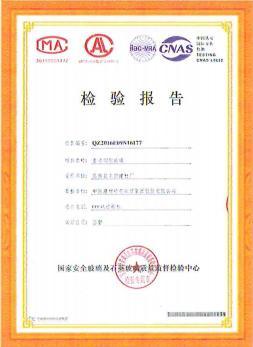
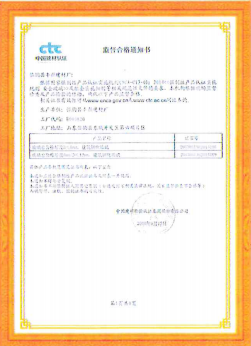
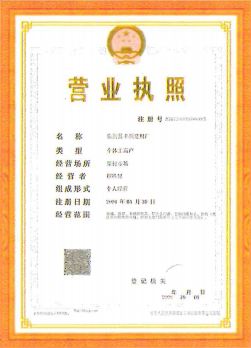
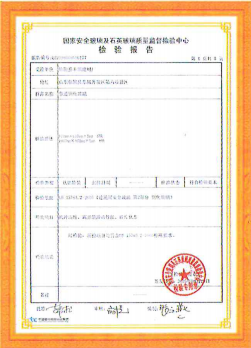
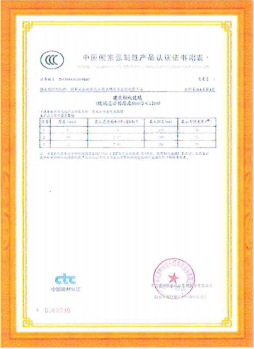
Certificate Of Honor
FAQ
Q:What is the establishment date and geographical location of Fengyan Glass?
Shandong Fengyan Glass Technology Co., Ltd., established in 2000, is located in Linjiao Eastern Development Zone, Weifang City, Shandong Province, China.
Q:What are Fengyan Glass's core businesses and annual production capacity?
The company is a glass products enterprise integrating R&D, production, and sales. It possesses a complete production line with an annual production capacity of 5 million square meters.
Q:What types of products does Fengyan Glass mainly produce?
Main products cover tempered glass, insulated glass, laminated glass, low-emissivity energy-saving glass, reflective glass, fireproof glass, bulletproof glass, and many other categories.
Q:What qualifications and certifications does Fengyan Glass possess, and does it participate in government project supply?
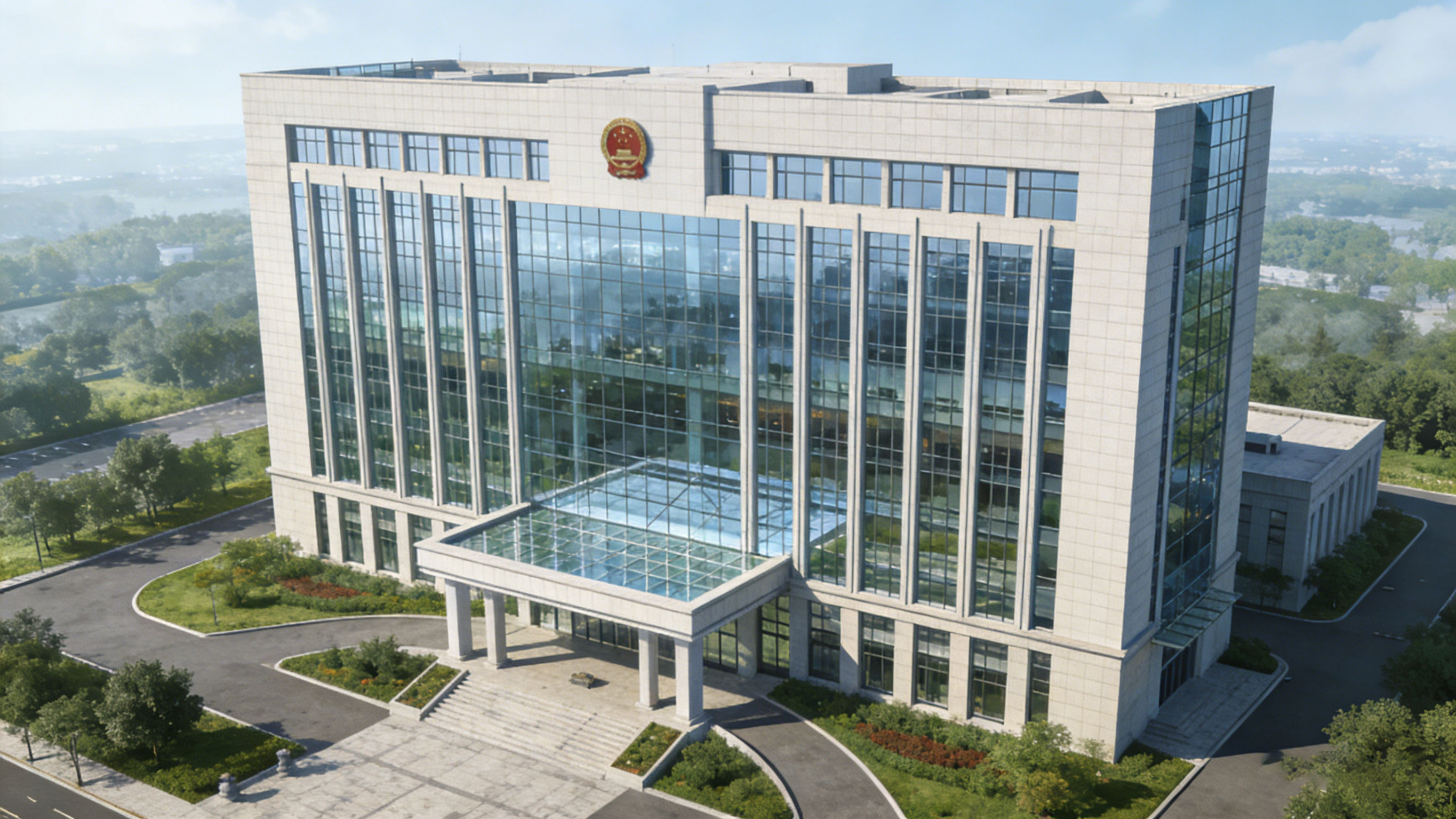
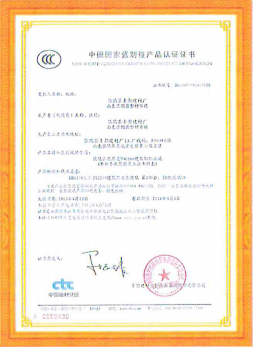
The company has passed ISO 9001:2008 quality management system certification and China Compulsory Product Certification (CCC), and has been designated as a glass supplier for Chinese government projects.
Q:Which regions does Fengyan Glass's product sales market cover?
Products not only sell well in the Chinese mainland market but are also exported to more than ten countries and regions in Southeast Asia, the Middle East, Africa, South America, and Russia.
Get a Free Quote
Product Recommendation
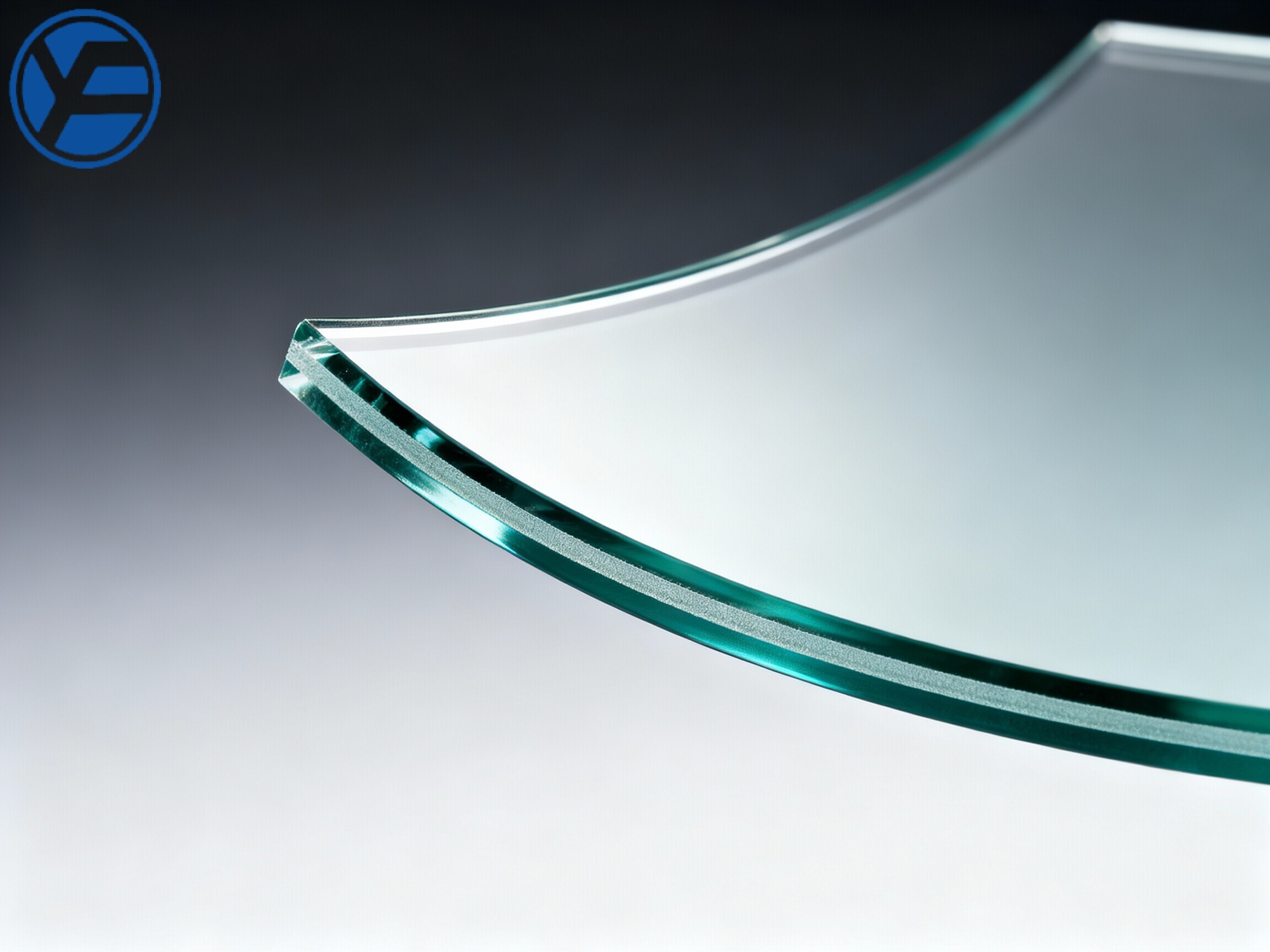
 PVB curved tempered laminated glass
 Curved tempered insulated laminated glass
 Photochromic glass
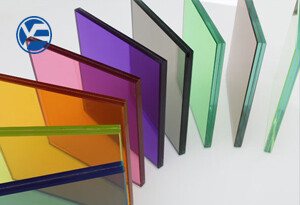
 Colored laminated glass
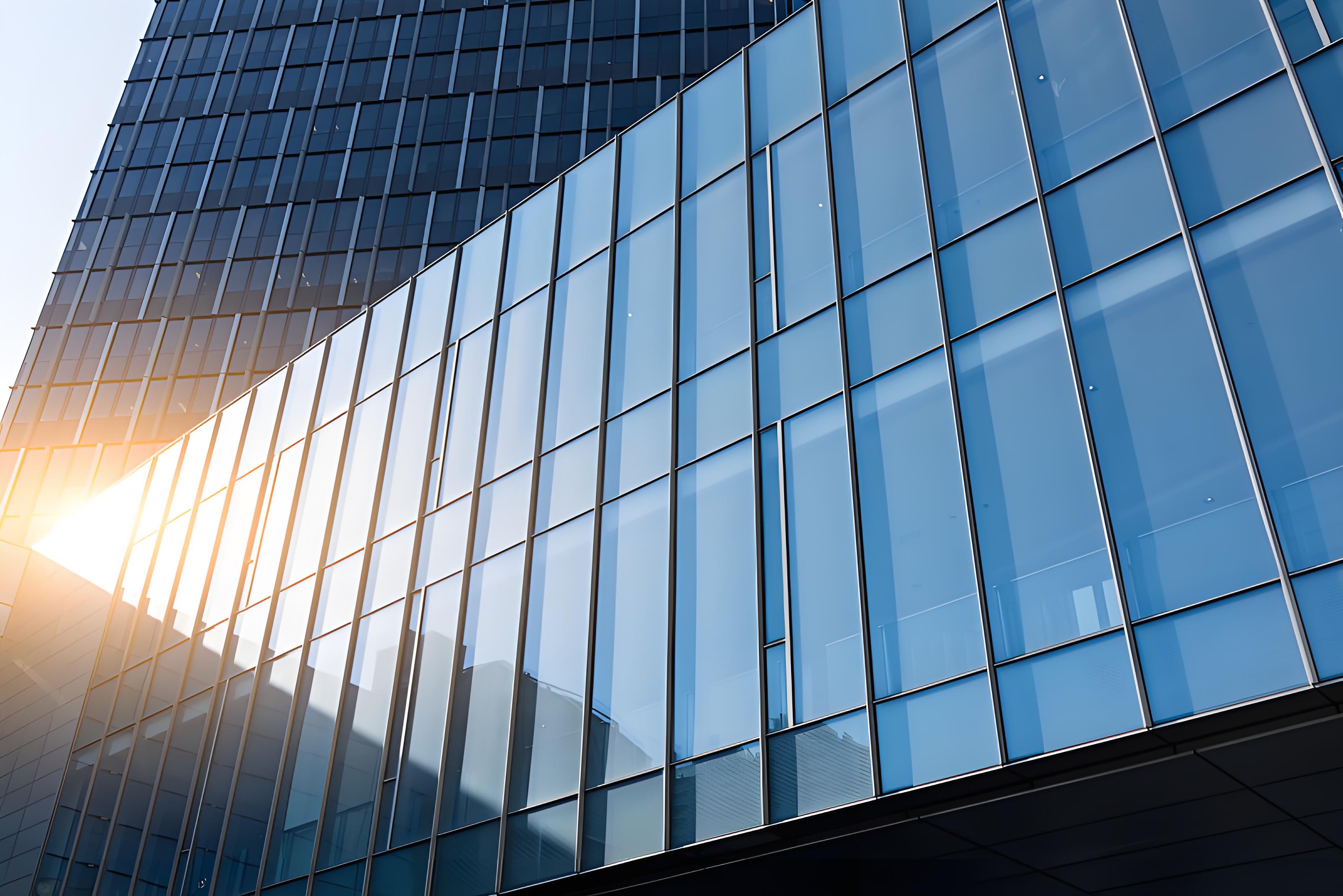
 Curtain wall glass
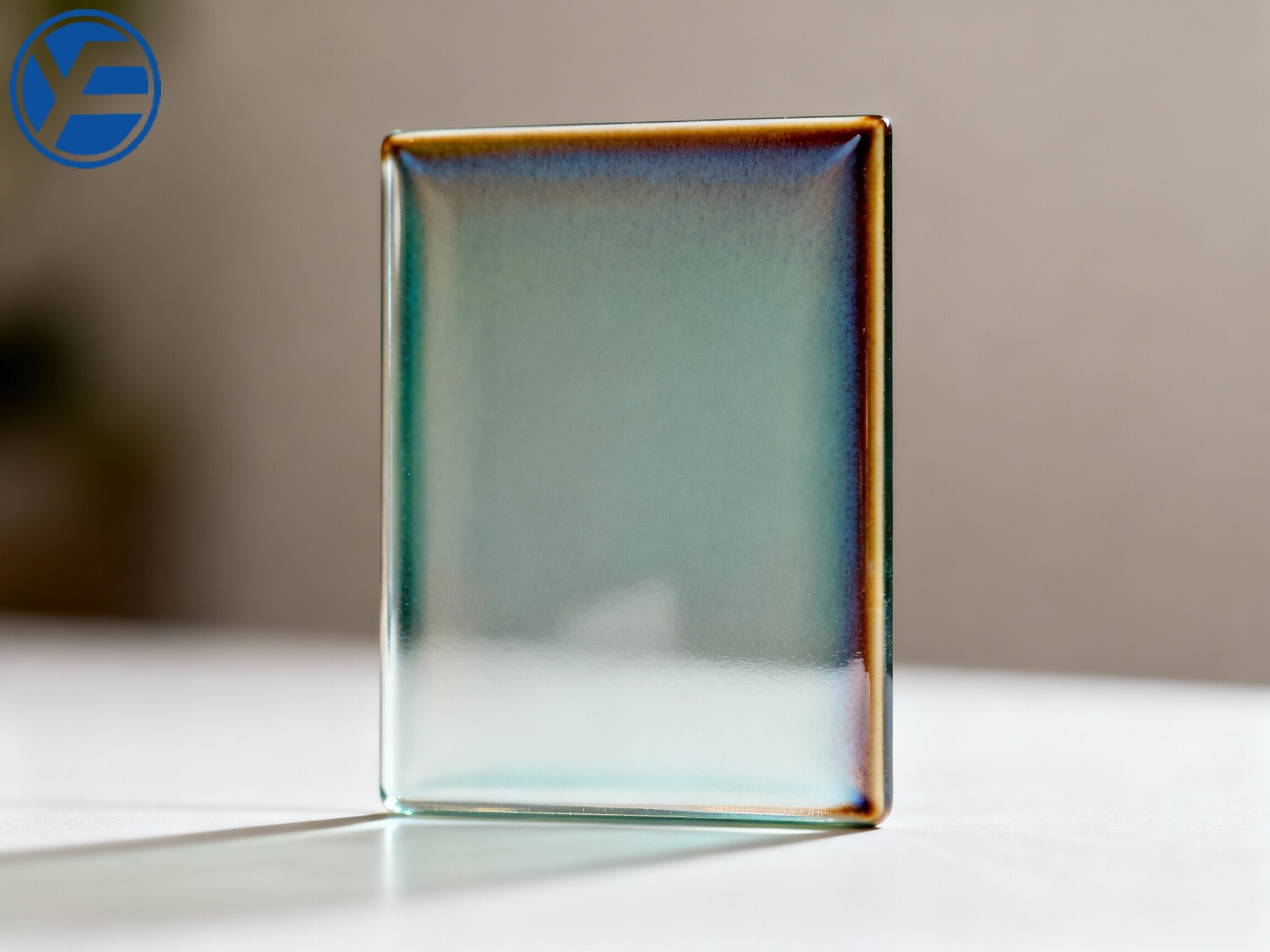
 Enameled glass
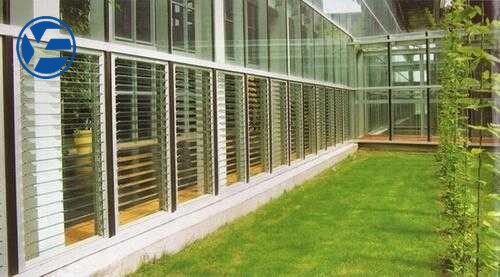
 Louvre glass
 Louvre glass
 Louvre glass
 Coated glass
 Coated glass
 Coated glass
 Bulletproof glass
 Bulletproof glass
 Fireproof glass
 Laminated glass
 Laminated glass
 Laminated glass
 Insulating glass
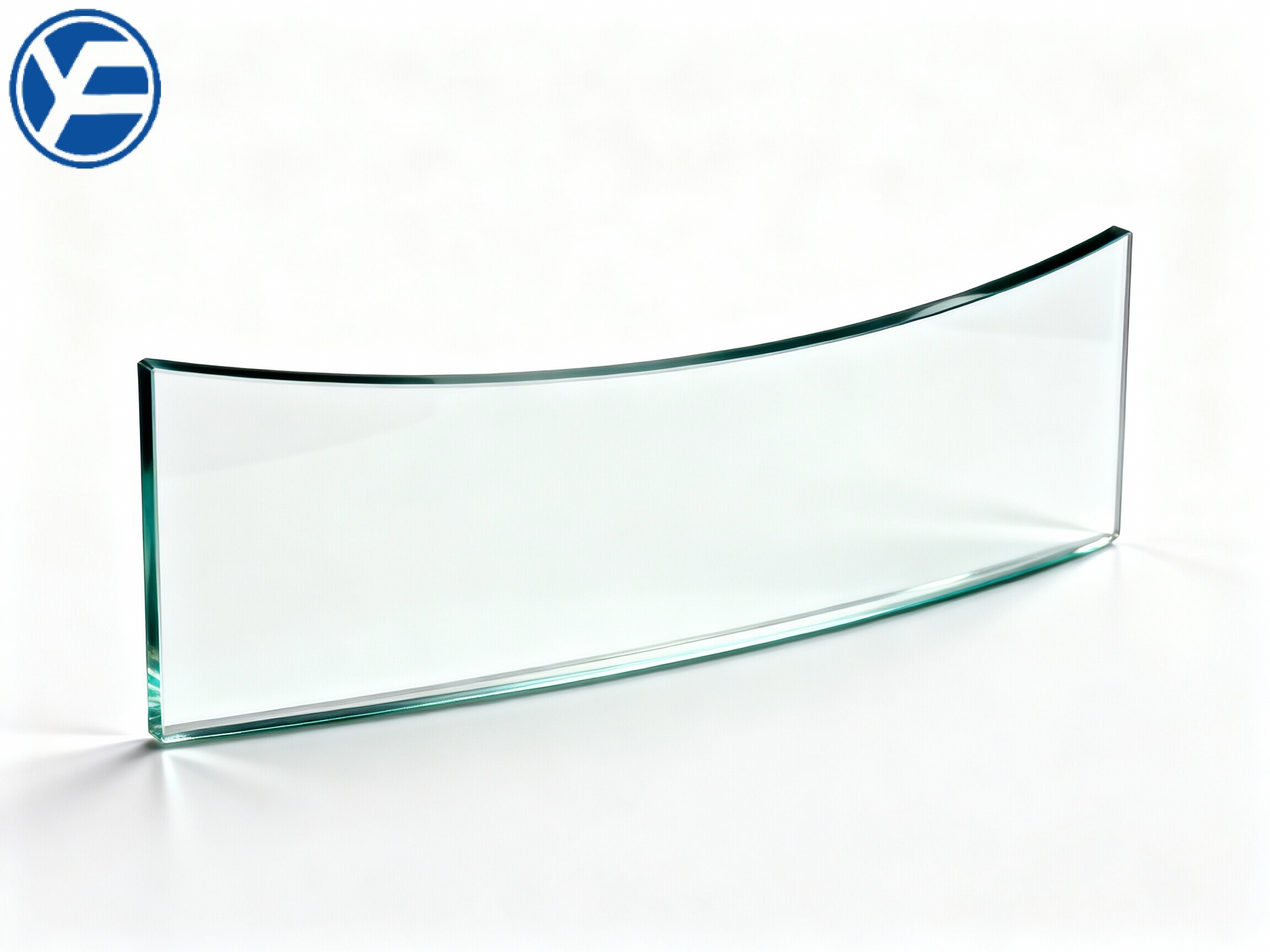
 Flat and curved tempered glass
 Tempered glass
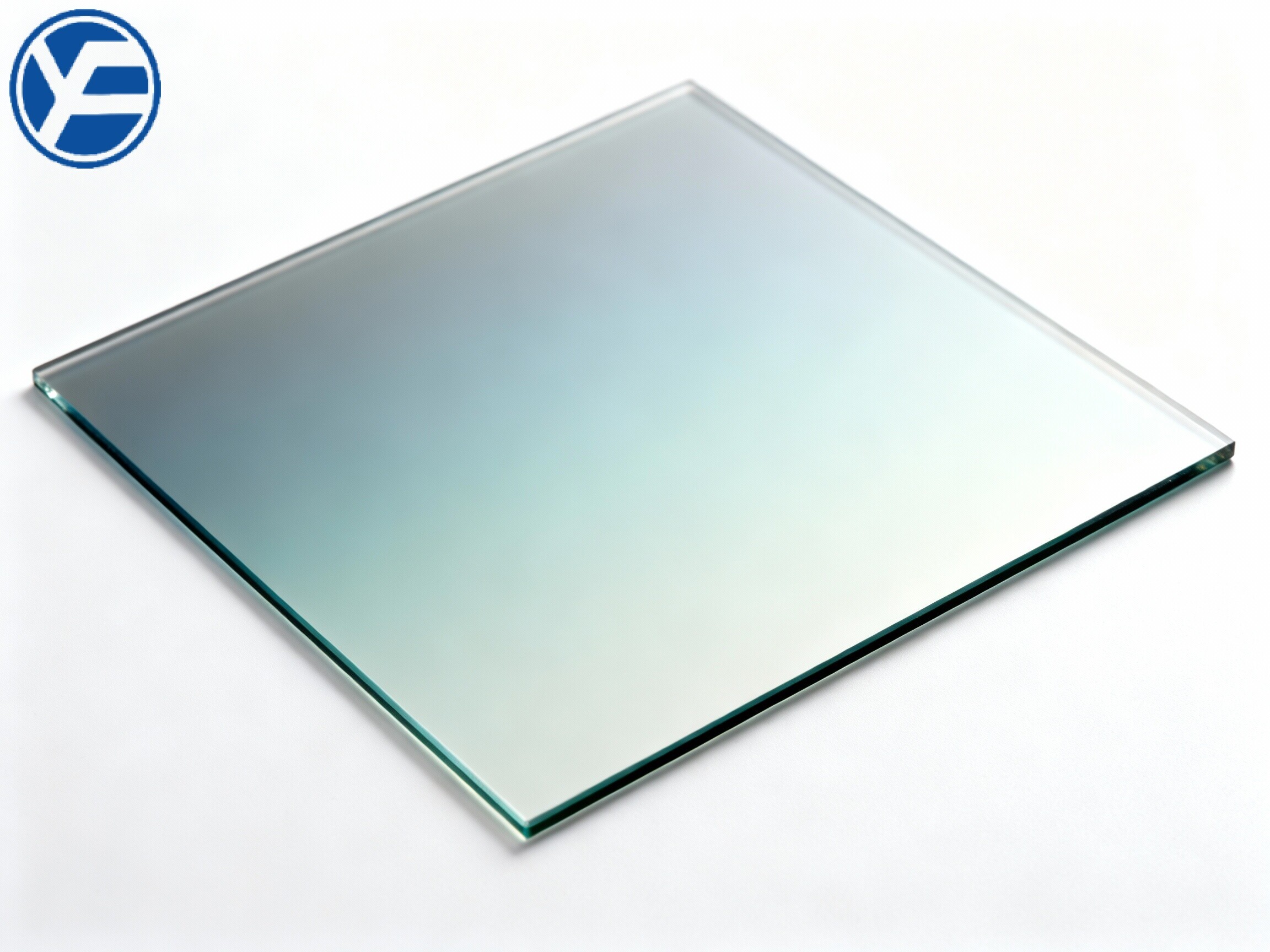
 Energy-saving glass
 Energy-saving glass
Please give us a message